

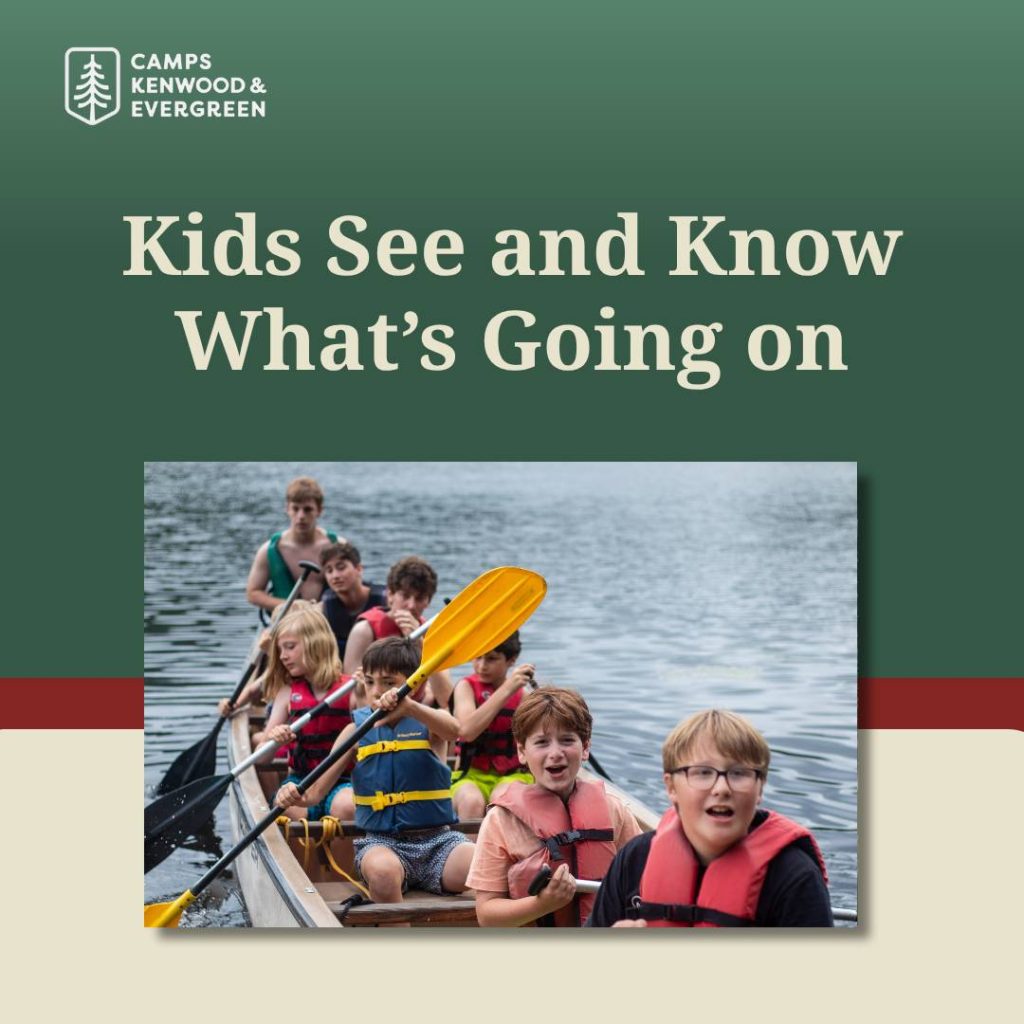
Inspiring confident kind kids & forever friendships
Years of working with execs and business leaders, and I’ve noticed the most effective members of this group share a particular quality:
High sensitivity to what’s really happening in a room.
They can sense when someone has an idea they haven’t shared yet. They notice when the group is aligned and ready to move forward. They pick up on energy shifts during a meeting, even when nothing obvious has changed.
This isn’t a skill you learn in business school while sitting through Managerial Economics or Financial Modeling.
It’s often emotional intelligence paired with keen observation.
Leaders with that combo make better decisions, build strong teams, and elegantly navigate complex situations with seeming ease.
You probably know people in your life or at your job who have this in their bag.
The thing is, MOST kids have this same capacity. Often way more acutely than many adults.
The difference is that we don’t always recognize it in them, and sometimes we accidentally train it out of them.
What Kids Know
Kids have awesome emotional radar, constantly picking up on what’s going down around them.
Watch a group of kids when an adult walks into a room, super excited about something. Kids know it, and if it’s authentic, it will definitely match the energy.
They can 100% tell when someone is into what they’re saying (and gets it) versus just being polite.
Kids know real praise.
Oh, and they pick up on group dynamics quickly.
Who’s connected? Which conversations are the real kind? When something shifts in the room.
While Kids haven’t fully learned to override what they’re sensing in favor of what they think they should be feeling yet, most have experimented with pretending they are happy about something they are actually unhappy about or pretending to appear “fine” when they are actually upset.
Adults have been practicing this for a long time. We have a whole lifetime of training that usually comes from a good place.
We learn to be polite even when we sense something’s off.
We override gut feelings in favor of social expectations.
We have a lot to do, so we convince ourselves uncomfortable dynamics are fine because acknowledging them would be inconvenient.
But we want kids to trust what they feel, and maybe even discuss it.
Camp = Space to practice
It’s easy to overlook this intelligence in kids.
Can they always name and articulate complex emotional dynamics? Not. But they’re aware of them.
Camp is all about giving kids chances to name what they’re sensing, without compromising the activity or group dynamics.
When someone says, ‘Today was awesome,’ it’s obvious what they mean and it needs no other explanation.
When someone says, “That’s not fair” in a sport or a game, we have time to find out what they meant by that and address it, instead of just brushing it under the rug.
When kids notice genuine enthusiasm from their counselors, they can match that energy. When they sense authentic care, they respond accordingly.
Camp also models the kind of emotional honesty that allows this intelligence to flourish.
Staff admit when they make mistakes.
Everyone acknowledges when activities don’t go as planned.
This gives kids permission to trust what they’re sensing and to speak up when something doesn’t feel right.
Emotional Intelligence Comes Home
When kids come home from camp, they might bring some of that directness.
They might comment on moods, dynamics, and situations with clarity that can even feel surprising. They may adjust their friend group in healthy ways.
This isn’t new behavior. It’s what happens when kids get plenty of practice trusting their perceptions and using their voice when something matters.
That’s a skill that serves them well beyond summer.
In classrooms where they can sense which teachers genuinely care, versus those who don’t really connect with students.
In friend groups, they can tell when someone isn’t being genuine or isn’t being a loyal friend.
In other dynamics, they can contribute to solutions instead of just absorbing whatever energy is in the room.
The best leaders I work with trust their instincts about people and situations.
Your kids already have those same instincts.
Camp gives them healthy ways to strengthen and value what they already know.
Best, Sylvia
PS: You can enroll for camp now and pay later, plus get one of these hoodies if you enroll by Nov 1.
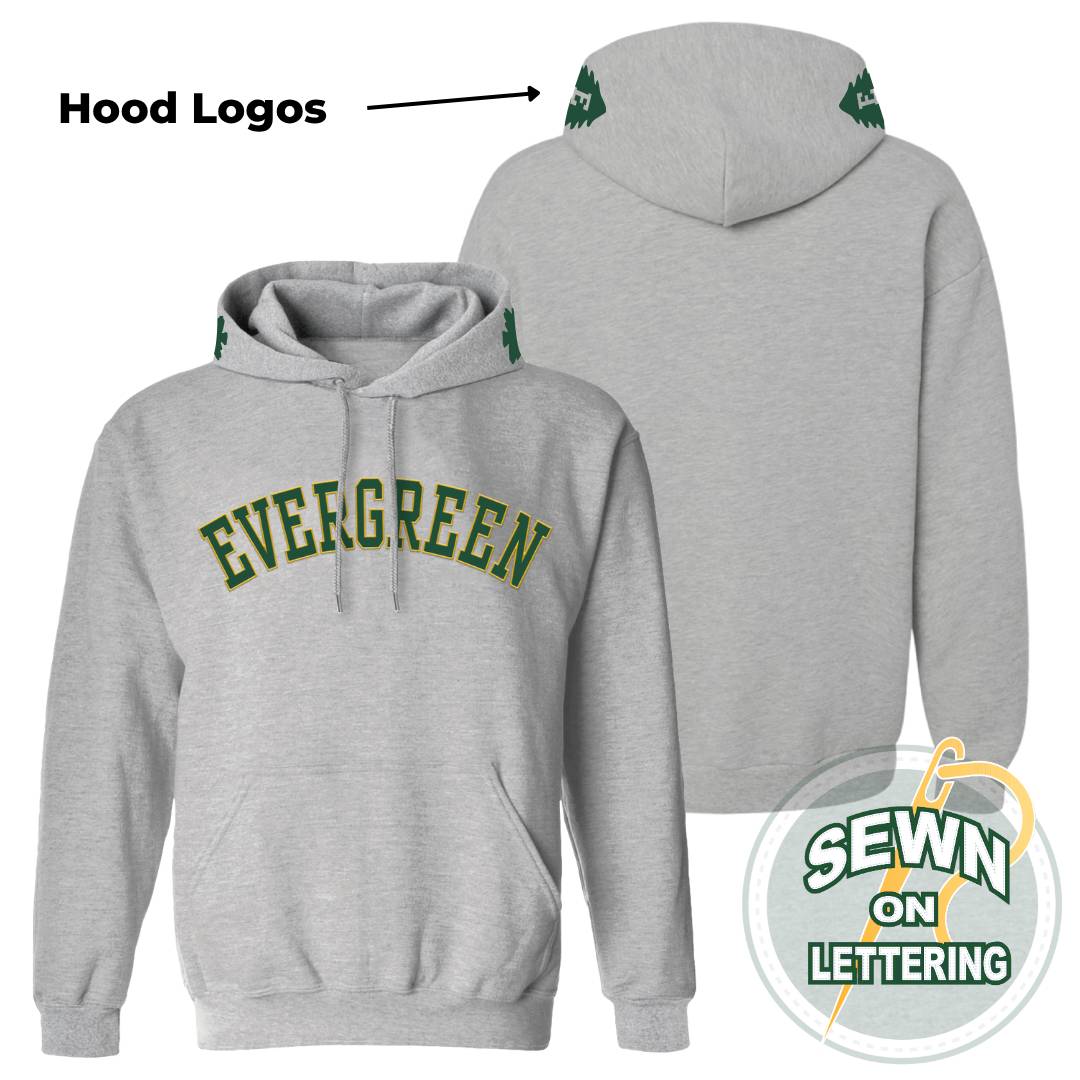
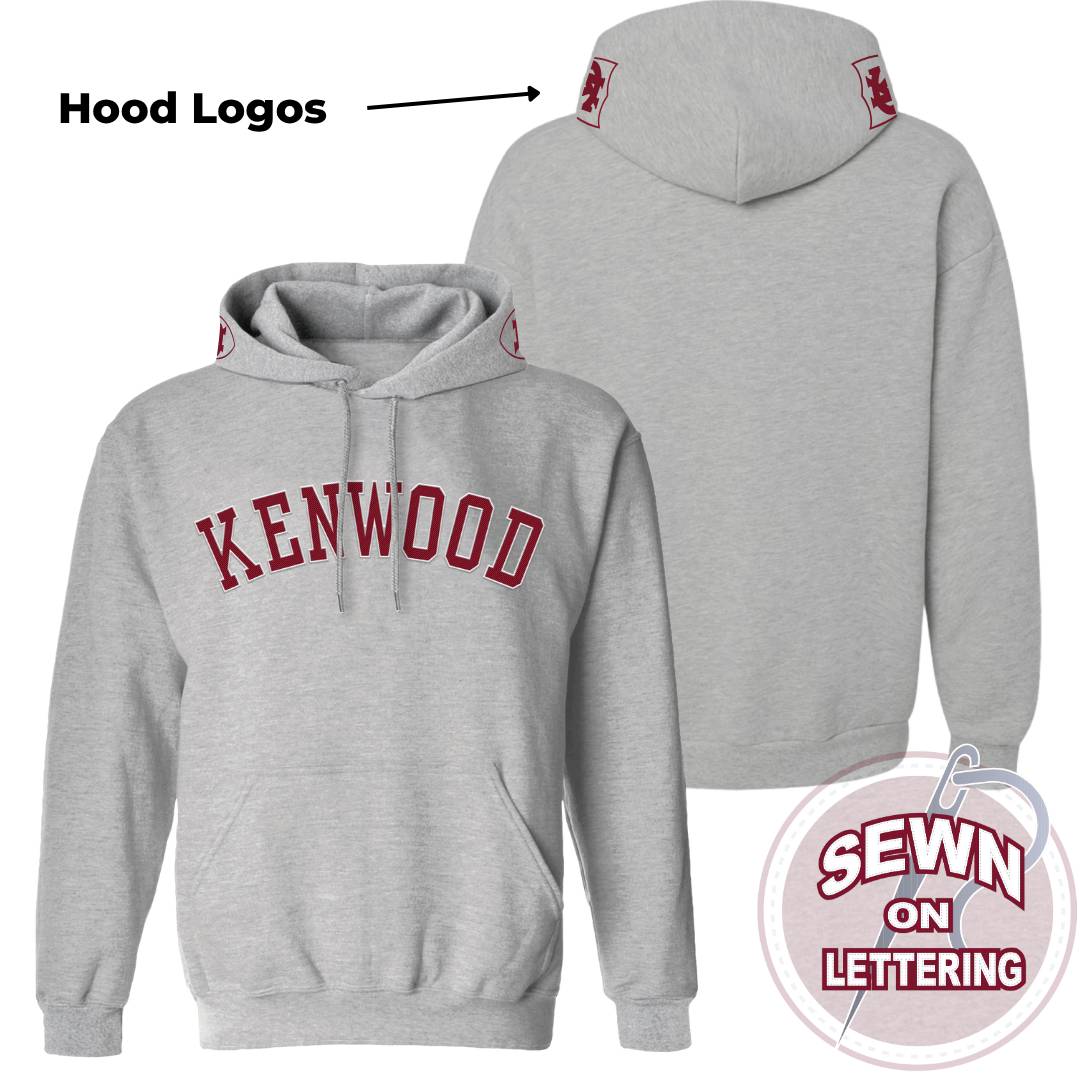
Everyone that has already enrolled will get one too!

Sylvia van Meerten
Evergreen Director
[email protected]
114 Eagle Pond Rd, Wilmot, NH 03287
Camps Kenwood & Evergreen Snapshot
- Location: New England overnight summer camp
- Philosophy: Growth through community, independence, and belonging
- Structure: Unified camp mission with gender-specific campuses
- Outcomes: Confidence, leadership, friendship, identity growth


